Eat Smarter, Not Less — Top Foods for Sustainable Weight Loss
Discover which everyday foods can help you reach your goals without sacrificing flavor or satisfaction. Our editorial team has curated the most effective, research-backed foods that support healthy weight management — all ranked by nutritional value and real-world impact.
What the Research Tells Us About Food & Weight
Understanding why food quality matters is the first step toward making choices that actually work for your body and lifestyle.
Quality Over Quantity
Whole, minimally processed foods keep you fuller for longer and provide nutrients your body actually uses — making every calorie count toward your goals rather than against them.
Metabolic Efficiency
Certain nutrient-dense foods actively support your body's natural metabolic processes. Protein, fiber, and healthy fats work together to help regulate appetite and energy balance throughout the day.
Long-Term Nourishment
Diets focused on nutritious, satisfying foods are far easier to maintain than restrictive approaches. Building habits around the right ingredients leads to meaningful, lasting changes in how you feel and look.
Top 9 Foods to Include in Your Weight-Loss Journey
Our editorial team reviewed nutritional data to bring you the most impactful, accessible foods you can start incorporating into your daily meals today.
Whole Eggs
One of the most satiating foods available, whole eggs are packed with high-quality protein and essential nutrients. Studies suggest that starting your day with eggs may help reduce caloric intake for hours afterward, making them a staple in smart weight management.

Leafy Greens
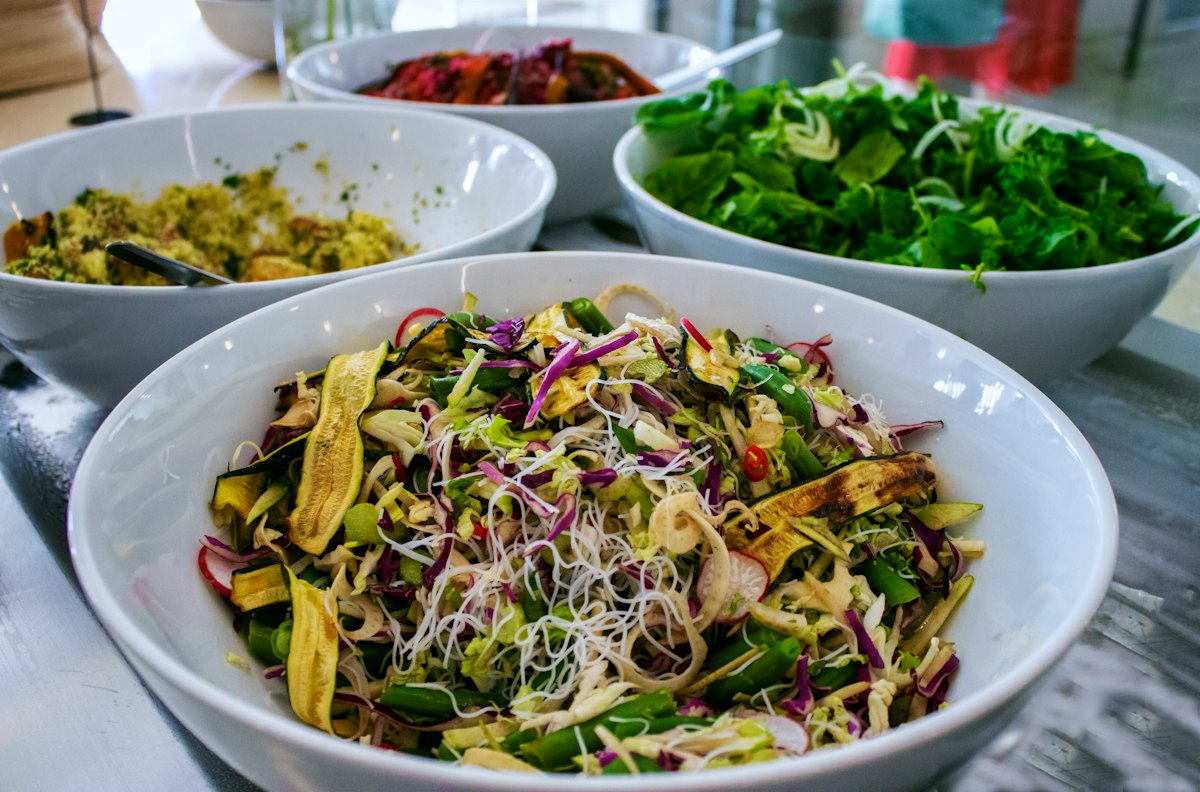
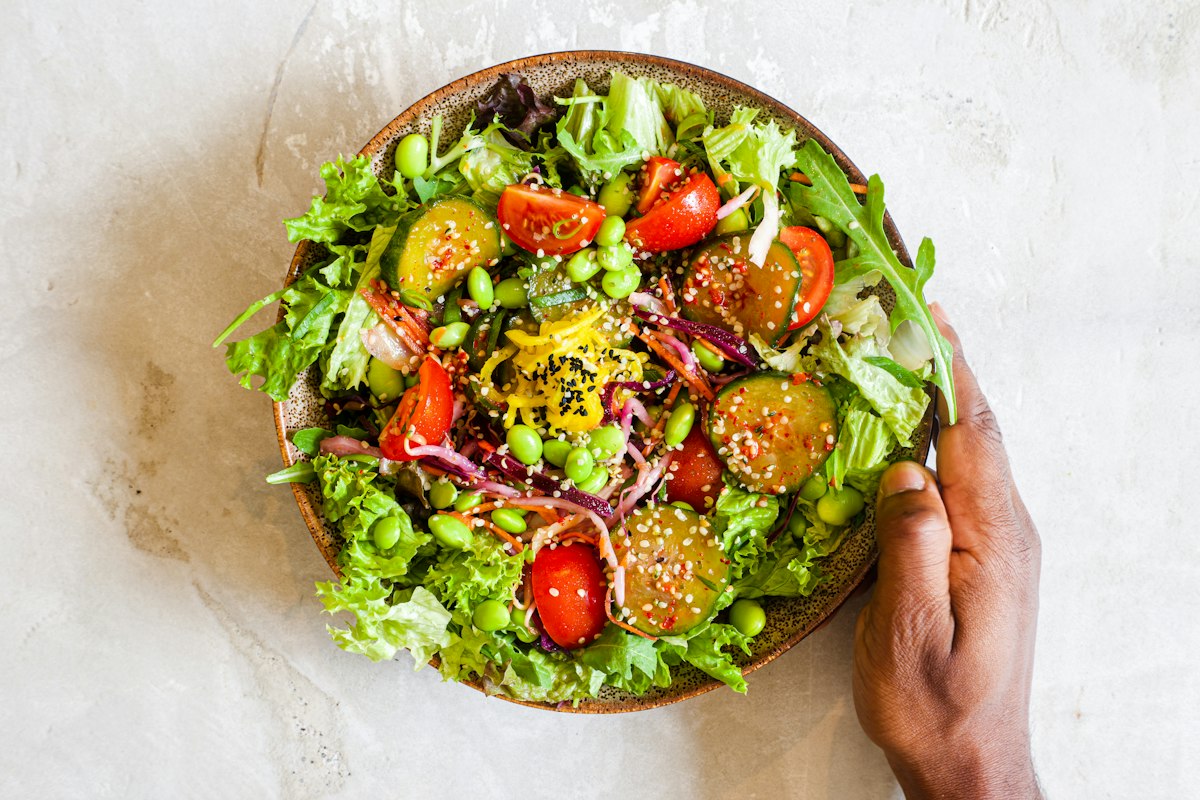
Spinach, kale, arugula, and Swiss chard are among the most low-calorie, high-volume foods on the planet. Their rich fiber content slows digestion, promotes a feeling of fullness, and delivers vitamins and minerals that support overall vitality and metabolic function.

Salmon & Oily Fish
Rich in omega-3 fatty acids and complete protein, salmon is exceptionally filling. Oily fish help support hormones involved in hunger regulation, and their healthy fats contribute to sustained energy without causing blood sugar spikes that lead to snack cravings.

Lentils & Legumes
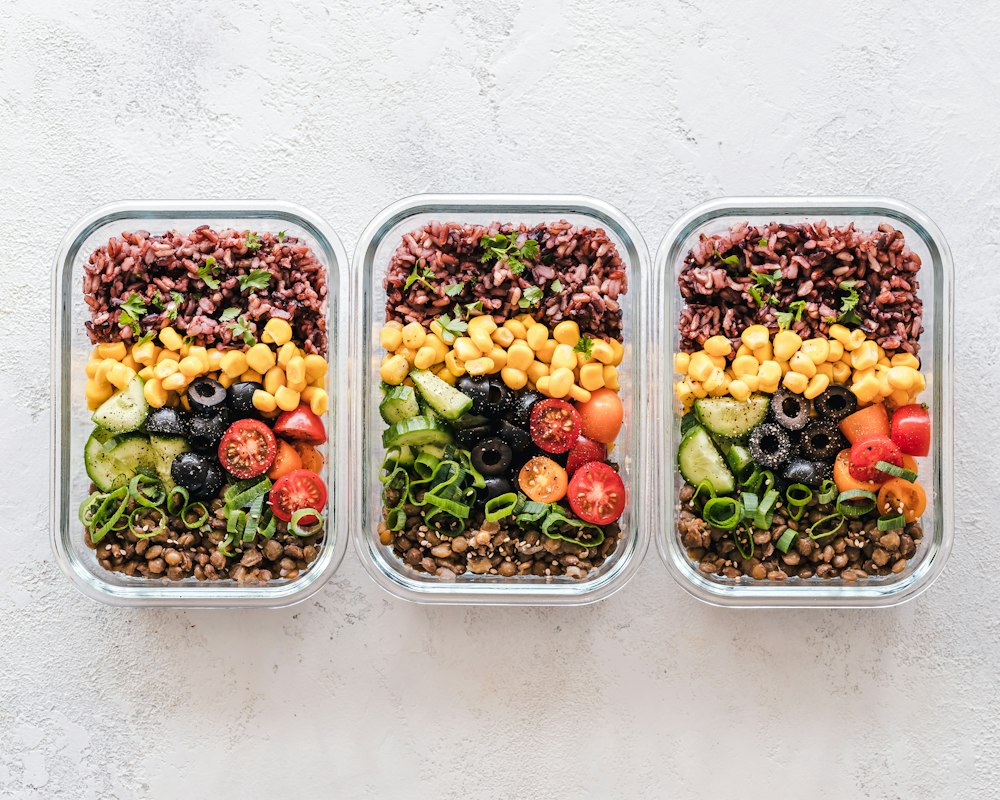
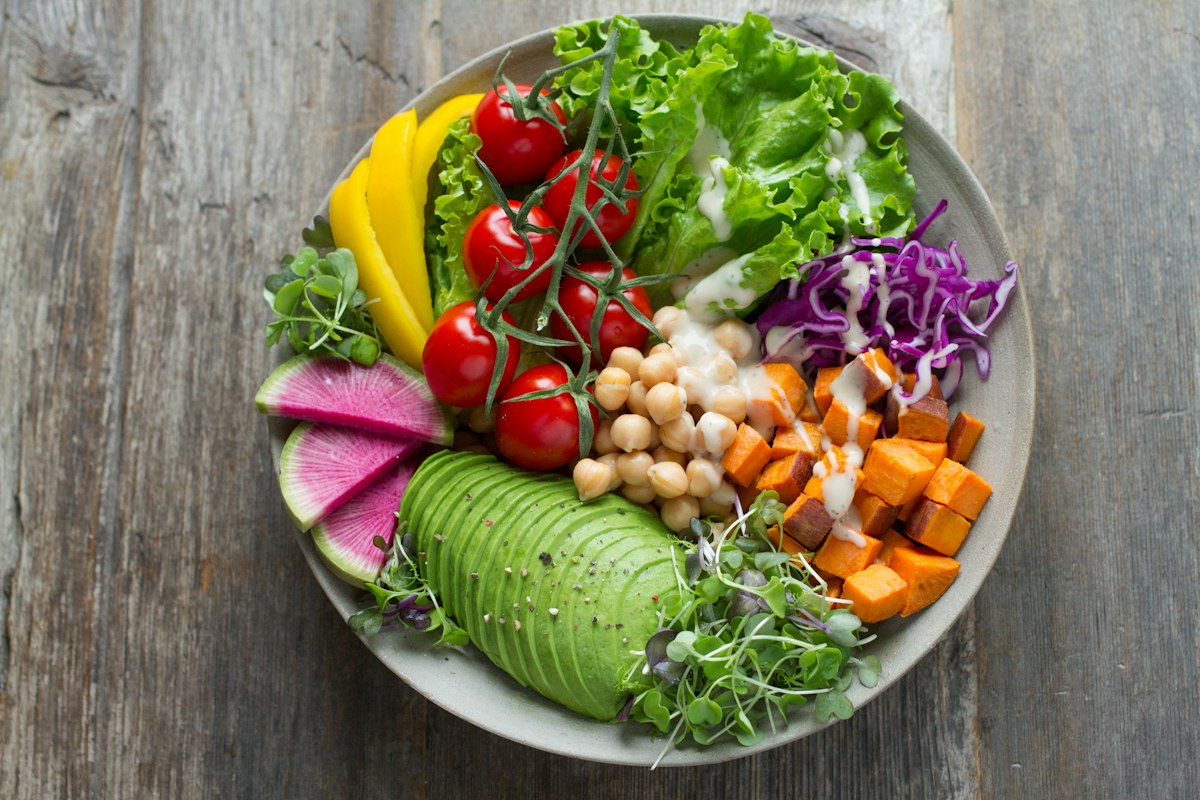
Lentils, chickpeas, black beans, and kidney beans are powerhouses of plant-based protein and soluble fiber. They digest slowly, stabilizing your energy for hours and reducing the urge to reach for processed snacks. An affordable and versatile staple of smart eating.
Avocado
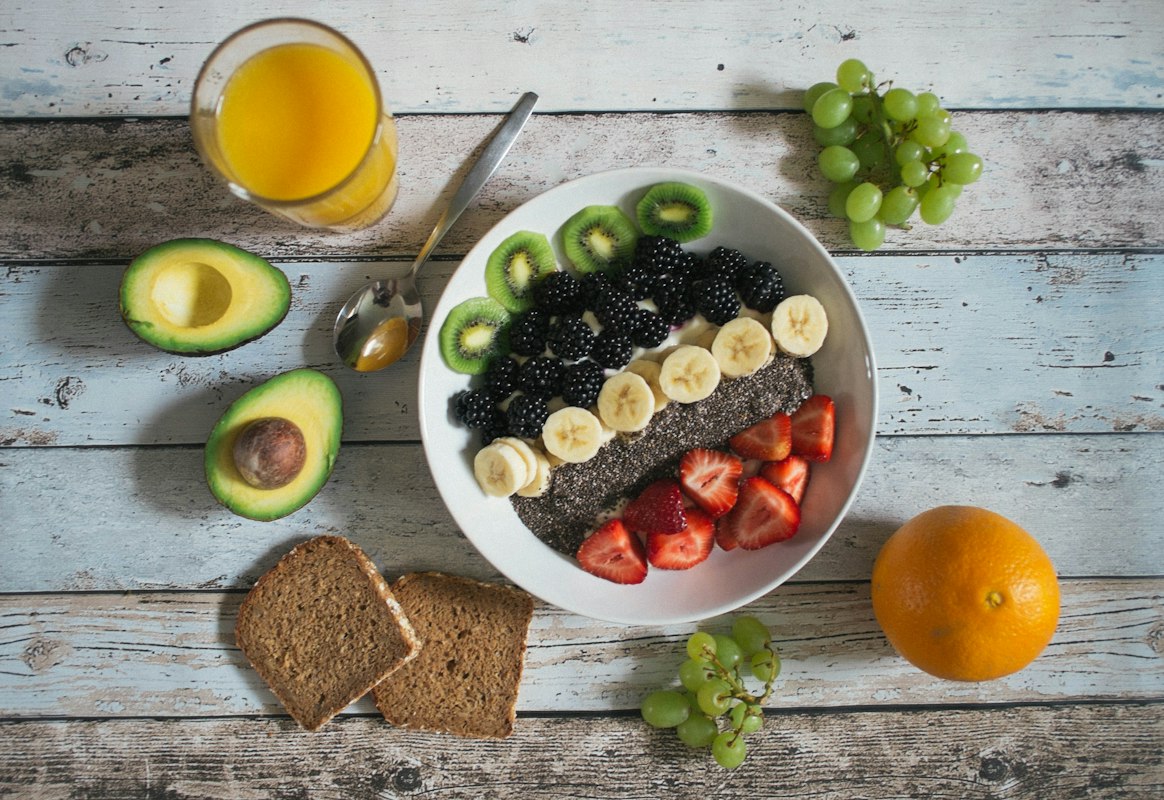
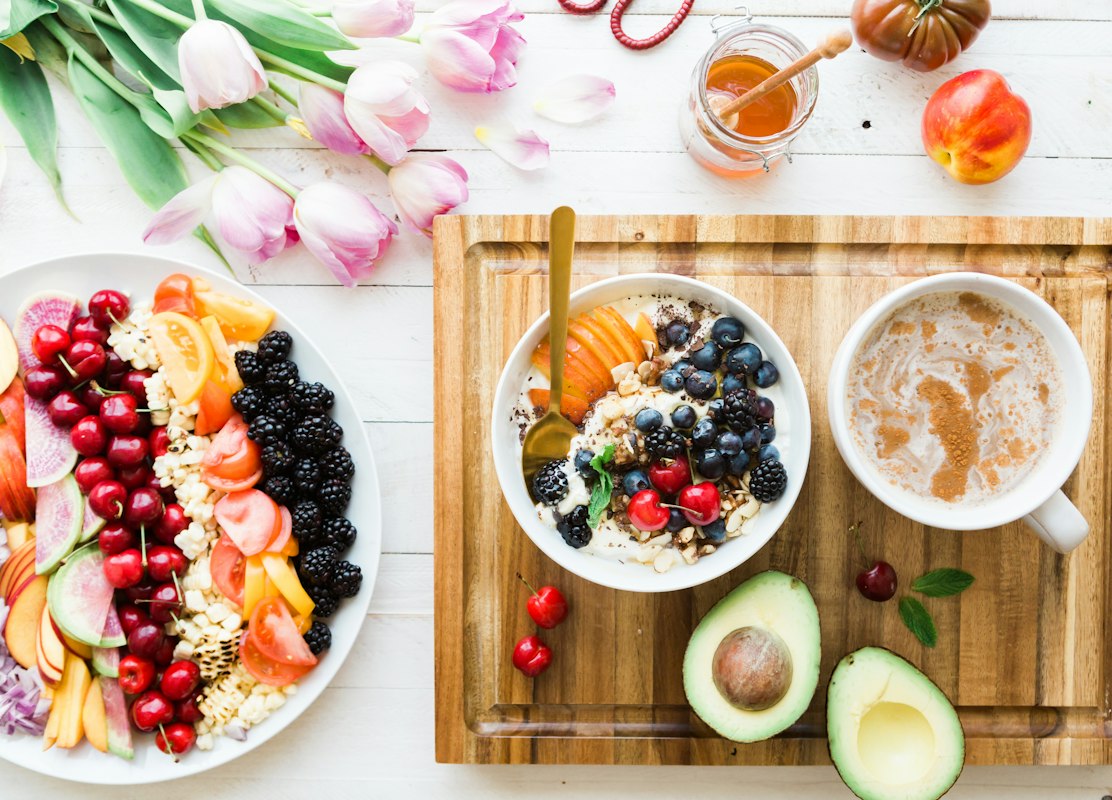
Unlike most fruits, avocados are loaded with monounsaturated fats that promote satiety and support heart health. They also contain potassium and fiber, and their healthy fat content helps your body absorb fat-soluble vitamins from other vegetables in your meals.
Greek Yogurt
Thick, creamy Greek yogurt provides a substantial dose of protein in every serving — sometimes twice that of regular yogurt. It also contains probiotic cultures that support gut health, which plays a surprising but significant role in how efficiently your body processes food and manages weight.
Whole Oats
A morning bowl of whole rolled oats delivers a remarkable combination of beta-glucan fiber, complex carbohydrates, and plant protein. This trifecta slows stomach emptying, reduces mid-morning hunger, and provides steady energy that helps you avoid overeating at your next meal.

Mixed Berries
Strawberries, blueberries, raspberries, and blackberries are among the lowest-sugar fruits available, yet they are bursting with antioxidants, vitamin C, and dietary fiber. They satisfy a sweet craving without derailing your goals — and pair beautifully with yogurt or oatmeal.

Cruciferous Vegetables
Broccoli, cauliflower, Brussels sprouts, and cabbage deliver extraordinary nutritional value for very few calories. High in fiber and water content, they create significant volume in your stomach, promoting fullness. Their plant compounds also support the body's natural processes at a cellular level.
Why Choosing the Right Foods Matters More Than Eating Less
Restricting calories without considering food quality often leads to fatigue, nutrient deficiencies, and the dreaded rebound effect. When you eat nourishing, whole foods — rich in protein, fiber, and micronutrients — your body naturally finds its balance without feeling deprived.
Research consistently shows that people who focus on food quality rather than strict calorie counting tend to maintain healthier body composition over the long term. The right foods work with your body's natural hunger signals, not against them. A plate built around lean proteins, fibrous vegetables, and healthy fats sends very different hormonal signals than one built around ultra-processed alternatives — even at the same calorie count.
At Potencyboostingfoods, our editorial mission is to translate complex nutritional science into simple, actionable guidance that real people in France and beyond can apply starting with their very next meal. No extreme plans, no impossible rules — just smart food choices backed by evidence.